
As homeowners continue to prioritize durability, efficiency, and long-term value, fiberglass entry doors are becoming an increasingly smart choice for modern homes. In 2026, the focus is shifting away from short-term upgrades and toward materials that can withstand changing climates, reduce maintenance demands, and maintain their appearance over time.
Fiberglass doors offer a combination of performance and design versatility that traditional materials often struggle to match.
Built for Long-Term Performance
One of the key advantages of fiberglass doors is their dimensional stability. Unlike wood, fiberglass does not absorb moisture, swell, or rot. Unlike steel, it does not dent easily or rust over time. This makes fiberglass particularly well-suited for homes exposed to fluctuating temperatures, humidity, rain, or snow.
Because fiberglass maintains its shape through seasonal changes, it helps preserve tight seals around the door—an important factor for overall performance and comfort.
Consistent Energy Efficiency
Modern fiberglass doors are typically constructed with an insulated core designed to limit heat transfer. This insulation helps reduce air leakage around the entryway, supporting more consistent indoor temperatures throughout the year.
As energy costs remain a concern for homeowners, entry systems that help minimize heat loss in winter and heat gain in summer are becoming an essential part of home efficiency planning. A properly installed fiberglass door contributes to a more stable indoor environment without requiring constant adjustments or upgrades.
Lower Maintenance Over Time
Compared to wood doors, which may require regular refinishing, sealing, or repair, fiberglass doors demand significantly less maintenance. Their surfaces are designed to resist cracking, peeling, and weather-related wear, allowing them to maintain their appearance with minimal upkeep.
For homeowners planning long-term improvements rather than frequent replacements, fiberglass offers a practical solution that holds up year after year.
Design Flexibility Without Compromise
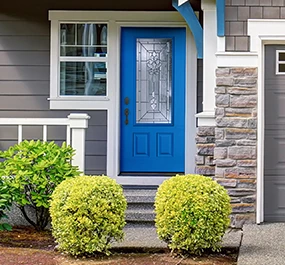
Fiberglass doors are available in a wide range of styles, panel designs, and finishes—including realistic woodgrain textures. This allows homeowners to achieve the look of natural wood while benefiting from modern materials engineered for durability.
As design trends continue to evolve in 2026, fiberglass doors provide flexibility without sacrificing performance, making them suitable for both traditional and contemporary homes.
A Smarter Investment Looking Ahead
Upgrading an entryway is about more than curb appeal—it’s about choosing materials that support the longevity and performance of the home. Fiberglass doors are engineered to meet modern expectations for strength, efficiency, and reliability, aligning with the priorities of homeowners looking toward the future.
For those planning upgrades in 2026 and beyond, Plastpro fiberglass doors represent a balanced investment in durability, efficiency, and lasting design.

