The front door has always been one of the most important architectural elements of a home, but in 2026, it is doing more than creating curb appeal. Architects are using entry doors to make a statement about design, performance, and the homeowner’s lifestyle from the moment someone approaches the house.

As residential architecture continues to evolve, we’re seeing a shift toward clean lines, durable materials, larger openings, and intentional design details that connect the exterior and interior experience. Whether designing modern custom homes, multifamily developments, or upscale remodels, architects are embracing front door trends that balance aesthetics with long-term performance.

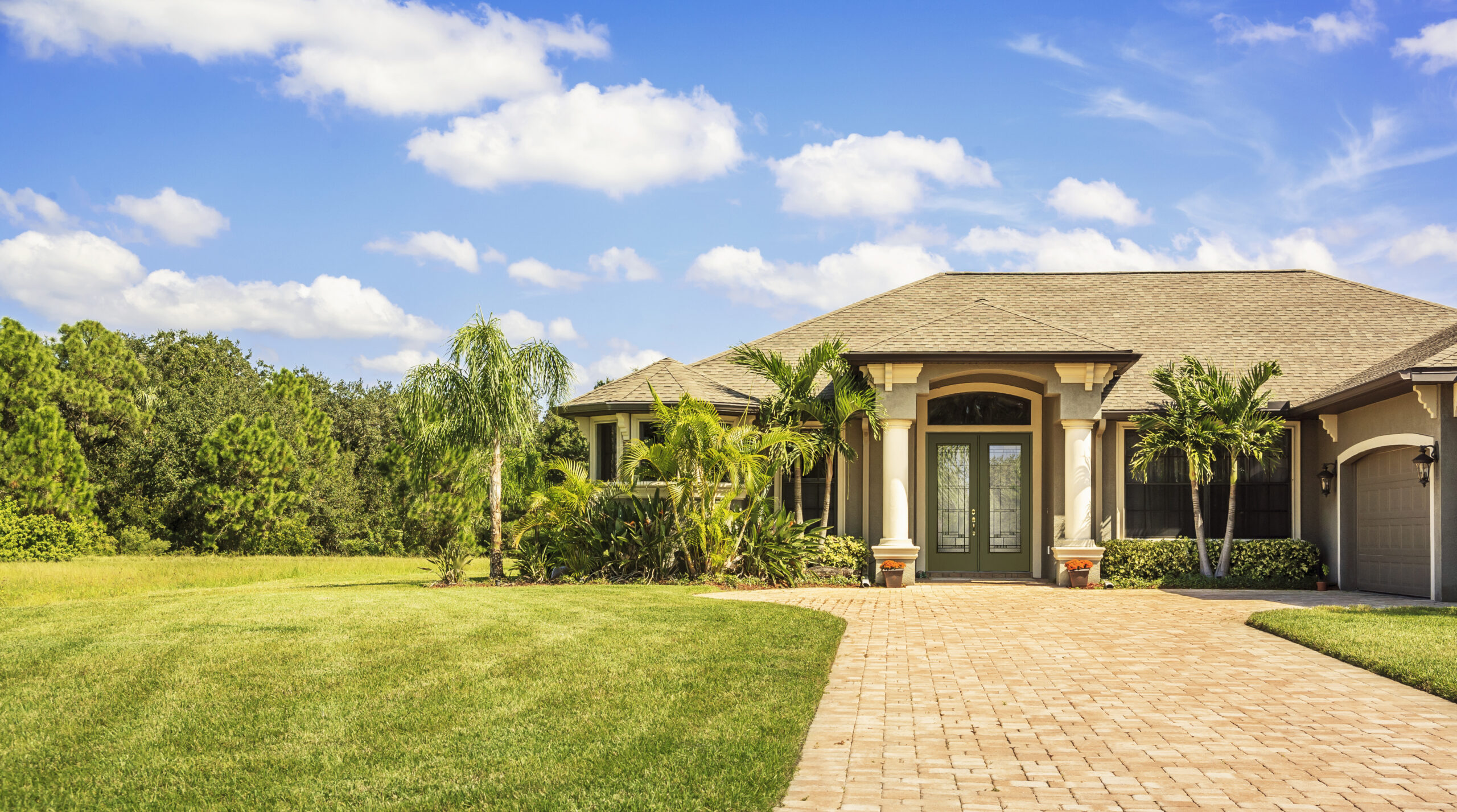
1. Oversized Entry Doors Make a Strong First Impression

One of the biggest trends continuing into 2026 is the use of oversized front doors. Taller entry systems create a sense of scale and sophistication while complementing today’s high ceilings and open floor plans.

Architects are increasingly specifying:

  • 8-foot entry doors
  • Double-door configurations
  • Wide pivot-style designs
  • Doors paired with expansive sidelites

These larger openings help create a seamless transition between exterior architecture and interior spaces while delivering the grand entrance many homeowners are seeking.

The key is pairing dramatic size with materials designed to withstand daily use and changing environmental conditions without sacrificing appearance.
2. Minimalist Designs Continue to Dominate

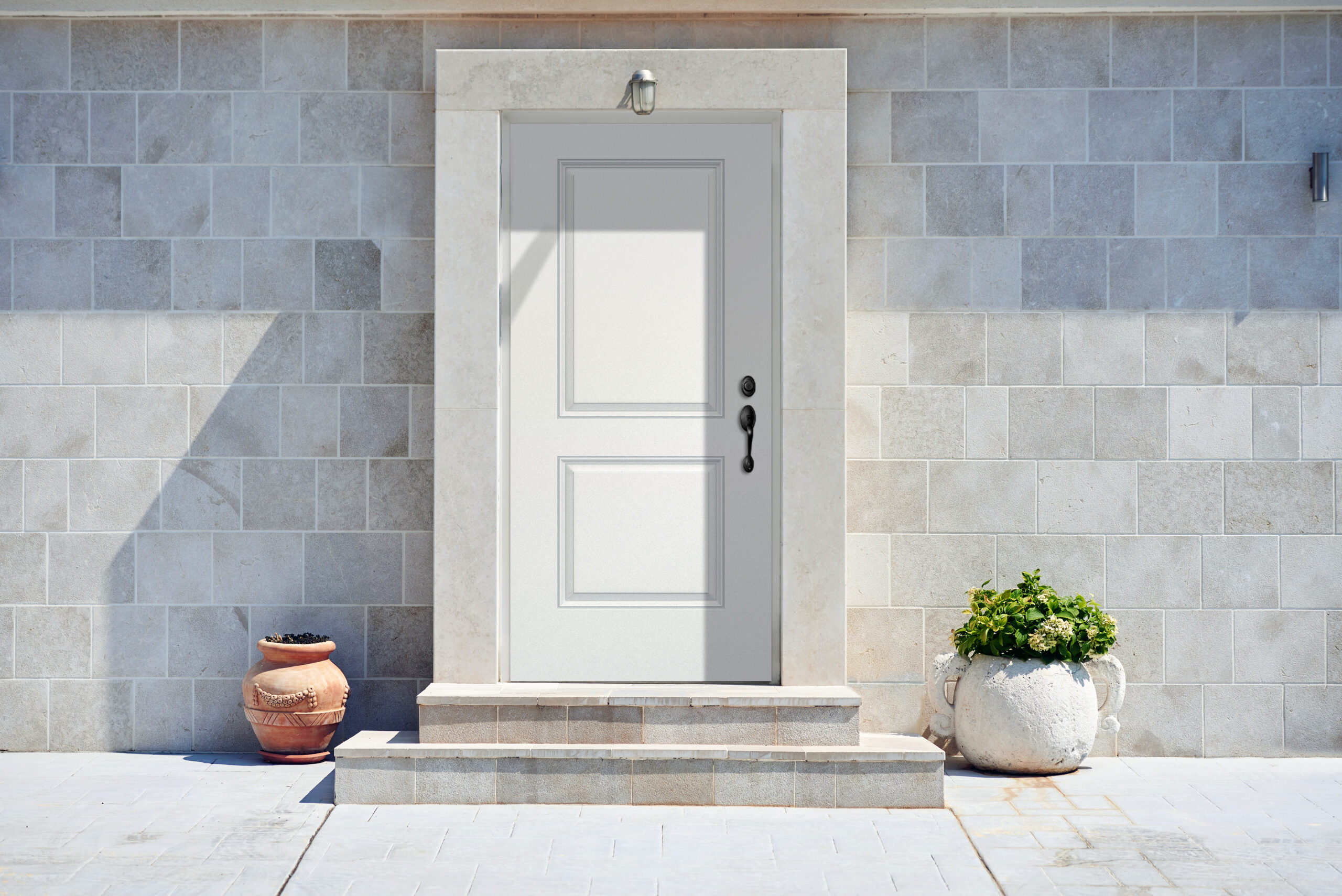
Clean, uncluttered aesthetics remain a defining characteristic of contemporary residential design.

Architects are favoring entry doors with:

  • Smooth surfaces
  • Narrow sightlines
  • Horizontal or vertical glass arrangements
  • Simple hardware selections
  • Monochromatic color palettes

Rather than relying on decorative panels or ornate detailing, today’s designs focus on proportion, geometry, and material quality.

The result is an entry door that feels modern, timeless, and adaptable across a variety of architectural styles.
3. Black Is Still Popular, but Warm Colors Are Emerging

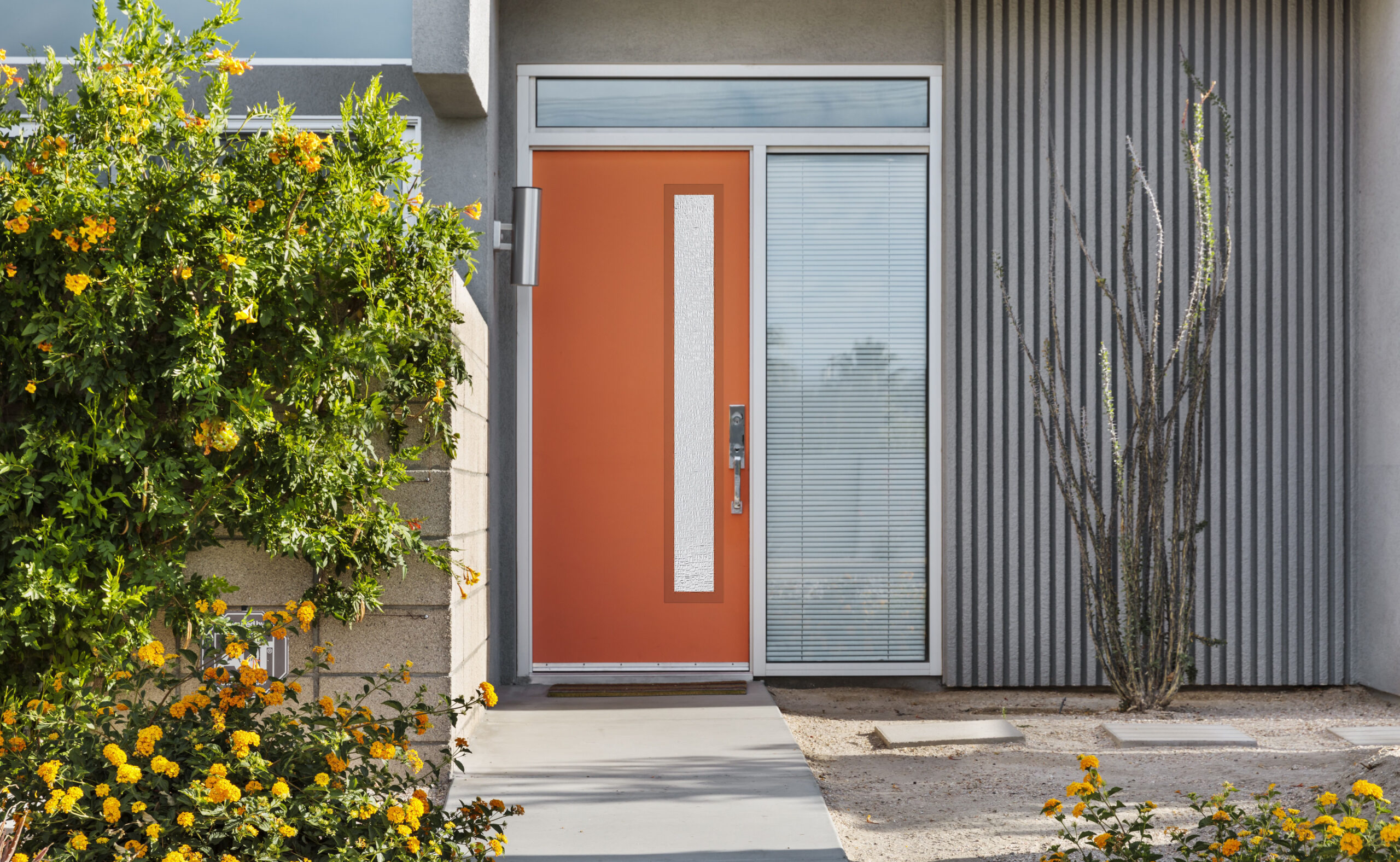
For several years, black front doors have been a staple in modern residential architecture. While that trend remains strong, architects are increasingly introducing warmer tones to create a more inviting exterior.

Popular color choices for 2026 include:

  • Warm charcoal
  • Deep bronze
  • Earth-inspired browns
  • Soft wood-like finishes
  • Muted greens
  • Dark navy blues

These colors blend naturally with contemporary exterior materials such as stone, stucco, fiber cement siding, and mixed-metal accents.

Many architects are also using the front door as a focal point, selecting finishes that add contrast while maintaining a cohesive overall design.
4. Natural Light Is Driving More Glass Integration

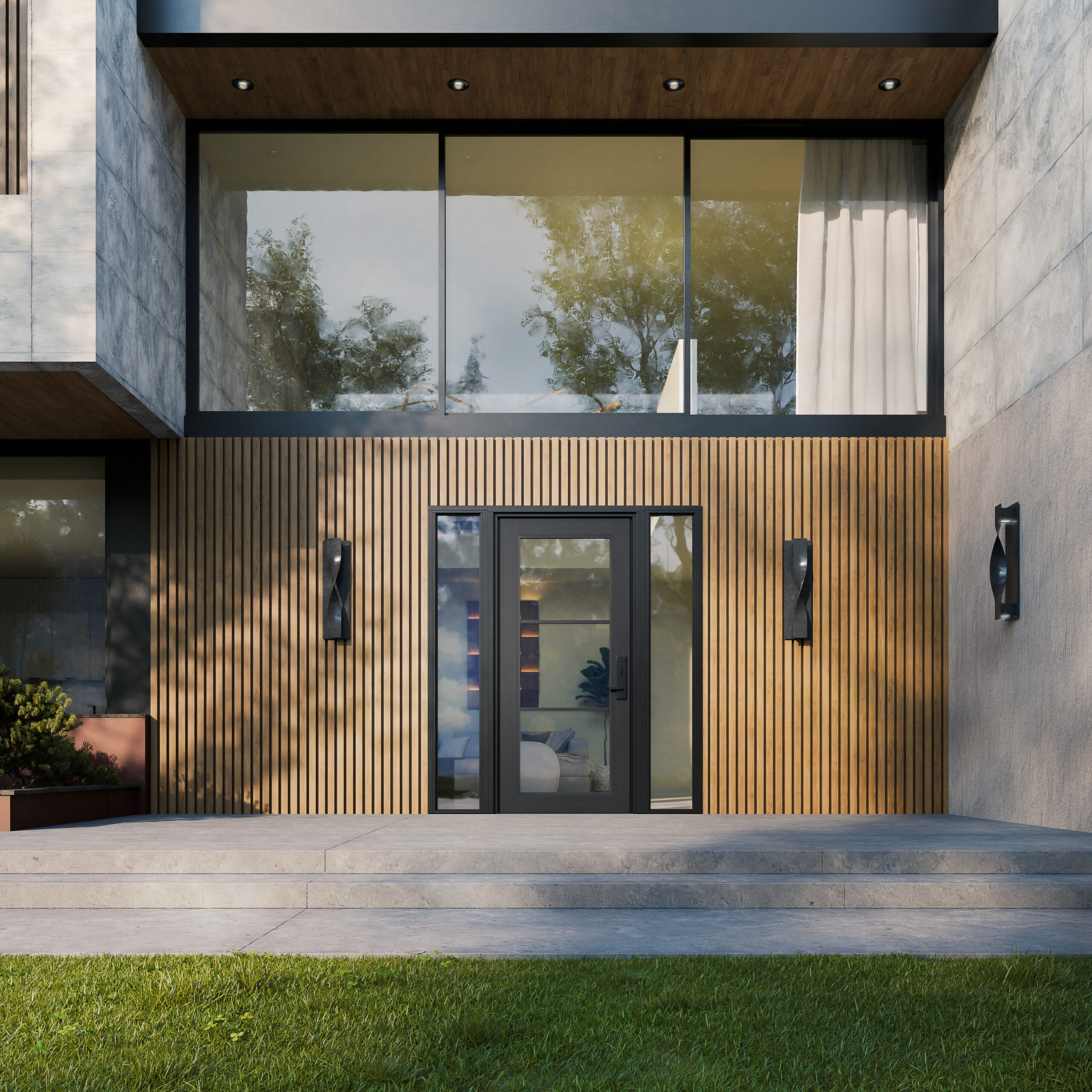
Homeowners want brighter entryways, and architects are responding by incorporating more decorative and functional glass into front door designs.

In 2026, popular configurations include:

  • Full-length vertical glass lites
  • Narrow contemporary glass inserts
  • Sidelites spanning the height of the door
  • Privacy glass options that maintain daylight

Strategically placed glass allows natural light to reach entry halls and adjacent living spaces while helping the front elevation feel more open and welcoming.

When properly specified, glass can enhance both aesthetics and functionality without compromising privacy.
5. Durable Materials Are Becoming a Design Priority

Architects today are designing for long-term performance as much as visual appeal.

Rather than focusing solely on appearance, many are looking for front door materials that offer:

  • Resistance to moisture
  • Reduced maintenance requirements
  • Dimensional stability
  • Long-lasting finishes
  • Reliable performance across varying climates

This shift reflects homeowner demand for products that look beautiful while supporting the longevity of the home.

As a result, fiberglass entry doors continue to gain attention for their combination of design flexibility and performance-oriented construction.
The Future of Entry Door Design

The most successful front door designs of 2026 combine visual impact with practical performance. Architects are specifying doors that complement contemporary architecture, maximize natural light, support long-term durability, and create memorable first impressions.

From oversized entry systems and minimalist styling to expansive glass and sophisticated color palettes, today’s front door trends reflect a broader focus on creating homes that are both beautiful and functional.

At Plastpro, we understand that architects and builders need entry door solutions that balance aesthetics, innovation, and long-term performance. As front entry design continues to evolve, selecting the right door remains one of the most impactful decisions in shaping a home’s character and curb appeal.
When homeowners think about major home investments, they often focus on kitchens, bathrooms, roofing, or windows. But one overlooked feature can quietly lead to expensive repairs, frustrating maintenance, and even premature replacement: the front door.

The right entry door does much more than create curb appeal. It helps protect your home from the elements, contributes to energy efficiency, and serves as a daily barrier against wear and tear. Unfortunately, many homeowners don’t realize they’re making costly front door mistakes until the damage is already done.

Before you invest in a new entryway, avoid these common and potentially expensive mistakes.

Mistake #1: Choosing a Door Based on Appearance Alone

It’s easy to fall in love with a door’s design. After all, your front door is one of the first things people notice about your home.

But appearance should never be the only factor driving your decision.

A beautiful door that isn’t suited to your climate or lifestyle may require frequent maintenance, be vulnerable to moisture damage, or struggle to hold up over time. Homeowners often discover too late that the door they chose for its looks wasn’t designed for the conditions it faces every day.

What to do instead: Balance style with performance. Look for materials and construction methods that are designed to withstand your local environment while delivering the aesthetic you want.

Mistake #2: Ignoring Moisture Exposure

Water is one of the most common causes of entry door problems.

Even homes with covered entryways can experience exposure to wind-driven rain, humidity, sprinkler overspray, and seasonal weather fluctuations. Over time, moisture intrusion can contribute to warping, swelling, peeling finishes, and deterioration around the frame.

Many homeowners assume the door slab is the only component that matters, when in reality, the frame plays an equally important role.

What to do instead: Consider the entire entry system, including the frame. Moisture-resistant materials and engineered frame solutions can help reduce long-term maintenance concerns and extend the life of the entryway. Our exclusive HydroShield Technology protects our doors against moisture and humidity infiltration, by creating a fully composite barrier that encases and protects the door on all six sides.

Mistake #3: Overlooking the Door Frame

Homeowners often spend significant time selecting the perfect door while paying little attention to the frame that supports it.

That oversight can become expensive.

A failing frame may lead to alignment issues, drafts, water intrusion, and operational problems. In some cases, homeowners end up replacing both the door and frame long before expected because the system wasn’t designed to perform together.

What to do instead: Evaluate the entire door system, not just the slab. A durable frame designed to resist moisture and weather-related damage can contribute to better long-term performance. Get a complete entryway system with our PF Frames.

Mistake #4: Choosing the Lowest Upfront Price

A bargain-front-door purchase can quickly become an expensive lesson.

While lower-priced options may reduce initial costs, homeowners often don’t factor in the potential expenses associated with maintenance, refinishing, repairs, and eventual replacement. What appears to be a savings today can result in significantly higher ownership costs over the years.

What to do instead: Look beyond the purchase price and evaluate long-term value. Durability, maintenance requirements, energy efficiency, and material performance all play a role in the true cost of ownership. Learn more about Plastpro’s Quality difference.

Mistake #5: Forgetting About Energy Efficiency

Drafts around an entry door do more than create discomfort. They can also contribute to increased heating and cooling demands throughout the year.

While homeowners commonly focus on windows when discussing energy performance, an aging or poorly fitted front door can also affect a home’s overall efficiency.

What to do instead: Look for quality construction, proper weather sealing, and products designed to help maintain a comfortable indoor environment. A well-built entry system can support year-round comfort while potentially reducing strain on HVAC systems.

Mistake #6: Waiting Too Long to Replace a Failing Door

Many homeowners postpone replacement because a door still “works.”

However, sticking hinges, soft spots, visible damage, drafts, and signs of moisture infiltration are often warning signs that shouldn’t be ignored. What begins as a minor issue can eventually impact surrounding trim, flooring, or structural components.

What to do instead: Address problems early. Replacing a deteriorating entry system before significant damage develops can help avoid larger repair costs later.

Mistake #7: Assuming All Doors Perform the Same

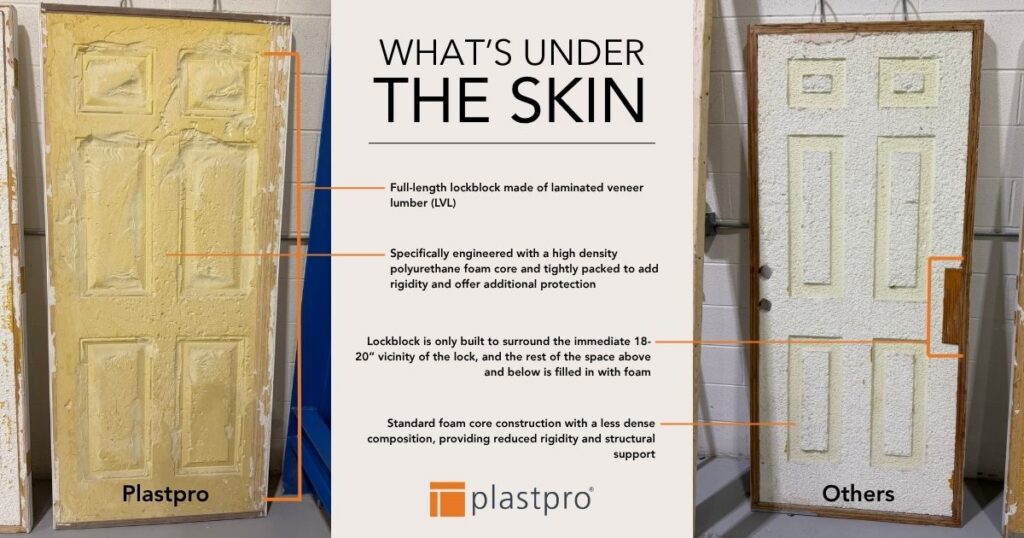
At first glance, many entry doors may appear similar. The differences often lie beneath the surface.

Construction methods, materials, frame technology, and weather-resistant features all influence how a door performs over years of daily use. Two doors may look nearly identical on installation day but perform very differently a decade later.

What to do instead: Ask questions about long-term durability, maintenance requirements, and system components. Understanding what’s inside a door system can help you make a more informed investment.

Your Front Door Is More Than an Entryway

A front door is one of the hardest-working components of a home. It faces sun, rain, temperature changes, daily traffic, and years of exposure to the elements.

The most expensive front door mistakes often have one thing in common: focusing on short-term appearance or cost while overlooking long-term performance.

By evaluating the complete entry system, choosing materials suited to your environment, and prioritizing durability alongside design, homeowners can help protect both their investment and their curb appeal for years to come.

Summer is one of the busiest seasons for home improvement projects, and it is also the time of year when a home’s exterior faces some of its toughest conditions. Intense sunlight, high temperatures, fluctuating humidity, and increased outdoor activity can all take a toll on entry doors. For homeowners, builders, and remodelers evaluating door materials, durability and long-term performance matter just as much as curb appeal.

That’s where Plastpro fiberglass entry doors stand out.

Unlike traditional wood or steel doors, Plastpro fiberglass doors are engineered to withstand seasonal challenges while maintaining their beauty and performance. With innovative features like HydroShield Technology®, Plastpro entry systems are designed to help protect against moisture-related issues while delivering the durability, energy efficiency, and low-maintenance benefits homeowners value. Whether you’re upgrading a front entryway, building a new home, or specifying products for a residential development, Plastpro fiberglass doors offer advantages that make them especially well-suited for summer and beyond.

Why Summer Puts Entry Doors to the Test

Summer weather can be surprisingly demanding on exterior building materials. Extended exposure to UV rays, rising temperatures, and moisture from coastal climates or seasonal storms can accelerate wear and tear on many products.

For entry doors, these conditions may lead to:

  • Warping and expansion
  • Fading finishes
  • Cracking or splitting
  • Increased maintenance requirements
  • Reduced energy efficiency

Choosing a door that can handle these challenges helps homeowners protect their investment while maintaining a welcoming and attractive entrance.

Fiberglass Resists Warping and Expansion

One of the biggest concerns with traditional wood doors during warmer months is their tendency to expand and contract as temperatures and humidity levels fluctuate. This movement can cause sticking, difficulty opening and closing, and changes in appearance over time.

Plastpro fiberglass doors are engineered for dimensional stability, making them far less susceptible to the effects of heat and moisture. Unlike wood, fiberglass does not absorb moisture in the same way, helping it maintain its shape and performance throughout seasonal weather changes.

What sets Plastpro apart is its exclusive HydroShield Technology®. This innovative technology helps protect against rot, mold, and deterioration that can occur when moisture infiltrates traditional wood doors. For homeowners in humid climates, coastal regions, or areas that experience seasonal weather fluctuations, HydroShield Technology® provides an added layer of protection and peace of mind.

Built to Handle Intense Sun Exposure

Long summer days mean increased exposure to UV radiation. Over time, sunlight can degrade certain materials, causing fading, discoloration, and surface deterioration.

Plastpro fiberglass doors are built to withstand the demands of outdoor exposure while maintaining their beauty and performance. Available in a variety of stain and paint finishes, they can deliver the rich look of wood without the ongoing maintenance associated with traditional wood doors.

For homeowners focused on curb appeal, this means a beautiful entryway that continues to make a strong first impression throughout the summer months and beyond.

Energy Efficiency Matters During Hot Weather

As temperatures climb, energy efficiency becomes a top priority for homeowners looking to keep cooling costs under control.

An entry door plays a critical role in the overall thermal performance of a home’s exterior envelope. Plastpro fiberglass doors feature a high-performance polyurethane foam core that helps reduce heat transfer and contributes to a more comfortable indoor environment.

When paired with quality weatherstripping and proper installation, Plastpro fiberglass entry systems can help minimize unwanted air infiltration while supporting a home’s overall energy efficiency goals.

For homeowners running air conditioning systems throughout the summer, every component of the building envelope matters, and the front door is no exception.

Designed for Durability

Summer often brings increased foot traffic as families entertain guests, children move between indoor and outdoor spaces, and homeowners tackle seasonal projects.

Entry doors should be capable of handling everyday use while maintaining their appearance and structural integrity.

Plastpro fiberglass doors are designed with durability in mind, offering resistance to dents, scratches, and common wear that can diminish the appearance of other door materials over time. Combined with HydroShield Technology®, Plastpro entry systems provide enhanced protection against moisture-related issues that can affect traditional wood door and frame systems.

This combination of strength, performance, and weather resistance makes Plastpro doors a practical choice for active households, multifamily properties, and homes in demanding climates.

Because they are designed to perform over the long term, fiberglass doors can continue delivering value long after installation.

Summer Is the Perfect Time to Upgrade

If an existing entry door is showing signs of wear, sticking during hot weather, or requiring frequent maintenance, summer can be an ideal time to consider an upgrade.

A high-quality fiberglass entry door can help enhance curb appeal, improve everyday performance, and provide lasting confidence through changing seasons.

At Plastpro, we believe homeowners shouldn’t have to choose between beauty and durability. That’s why our fiberglass doors are engineered with innovative features like HydroShield Technology®, helping protect against moisture while delivering the authentic look of wood and the low-maintenance benefits of fiberglass.

Whether you’re building new, remodeling, or replacing an aging entry door, Plastpro fiberglass doors are designed to help homeowners enjoy lasting beauty, performance, and peace of mind long after summer ends.

As the year reaches its halfway point, many homeowners begin thinking about vacations, outdoor projects, and summer gatherings. However, mid-year is also an ideal time to evaluate your home’s condition and address small issues before they become larger, more expensive problems.

While many maintenance checklists focus on roofing, landscaping, or HVAC systems, one area is often overlooked: the entryway. Your front door and surrounding frame play an important role in your home’s appearance, security, energy efficiency, and protection from the elements.

Use this simple mid-year checklist to assess your entryway and determine whether upgrades may be needed before the seasons begin to change.

1. Inspect Your Entry Door for Signs of Wear and Tear

Your front door is exposed to sun, rain, humidity, temperature fluctuations, and everyday use. Over time, these factors can impact both appearance and performance.

As you inspect your entry door, look for:

  • Cracks, dents, or surface damage
  • Peeling paint or fading finishes
  • Warping or swelling
  • Moisture-related issues
  • Difficulty opening or closing properly

Traditional wood doors can be particularly susceptible to moisture and weather-related damage. Plastpro fiberglass doors offer a durable alternative, resisting dents, rust, rot, and warping while maintaining their appearance for years with minimal maintenance.

2. Evaluate Your Home’s Energy Efficiency

Even during the warmer months, your entryway can affect your home’s overall energy performance.

Small air leaks around a door can allow conditioned air to escape, forcing your HVAC system to work harder and potentially increasing energy costs. If you notice drafts, inconsistent indoor temperatures, or higher utility bills, your entry door may be contributing to the problem.

A few things to check include:

  • Worn weatherstripping
  • Gaps around the door perimeter
  • Damaged door sweeps
  • Aging or poorly insulated doors

Modern Plastpro fiberglass entry doors featuring polyurethane foam cores provide excellent insulation and can help improve energy efficiency throughout the year. Combined with proper sealing and installation, an upgraded door system can contribute to a more comfortable home environment.

3. Don’t Forget the Door Frame

A door is only as strong as the frame supporting it.

While homeowners often focus on the door itself, the frame is equally important for long-term performance. Exposure to moisture can cause traditional wood frames to rot, warp, crack, or attract insects over time.

During your inspection, look for:

  • Soft or damaged areas
  • Signs of moisture intrusion
  • Visible warping
  • Cracks or separation at joints
  • Difficulty maintaining a tight seal

For homeowners considering an upgrade, composite door frames can provide enhanced durability and moisture resistance compared to traditional wood options. Plastpro’s PF (PolyFiber) Frame is engineered to resist rot, warping, and insect damage while helping create a complete entryway system designed for long-lasting performance.

4. Refresh Your Home’s First Impression

Your front door is one of the first features visitors notice when approaching your home. If your entryway feels dated, worn, or no longer matches your home’s style, a mid-year refresh can have a significant impact on curb appeal.

Simple updates may include:

  • Repainting the front door
  • Updating hardware
  • Replacing worn weatherstripping
  • Adding decorative glass elements
  • Upgrading to a new Plastpro fiberglass entry door

A new entry door can instantly transform the appearance of a home while delivering practical benefits such as improved durability, energy efficiency, and weather protection.

A Small Inspection Today Can Prevent Bigger Issues Tomorrow

Mid-year maintenance doesn’t have to involve a major renovation. Spending a few minutes evaluating your entryway can help identify opportunities to improve your home’s appearance, comfort, and performance before cooler temperatures arrive.

By inspecting your door, checking energy efficiency, evaluating the frame, and considering curb appeal upgrades, homeowners can ensure their entryway continues to perform beautifully throughout the remainder of the year and beyond.

Your front door does more than welcome guests; it protects your home, boosts curb appeal, and helps improve energy efficiency. If your current door is showing signs of warping, drafts, fading, or constant maintenance, it may be time for an upgrade. Replacing your entry door is one of the simplest ways to improve both the appearance and performance of your home, especially when you choose a door designed to withstand everyday wear and changing climates.

Your Door Shows Signs of Warping or Rot

If your front door is sticking, swelling, cracking, or showing signs of rot, moisture may already be causing damage. Over time, exposure to humidity, rain, and fluctuating temperatures can weaken traditional wood doors and compromise your entryway.

Plastpro fiberglass doors with HydroShield Technology® help prevent warping, rotting, and delamination by creating a fully composite barrier on all six sides. Unlike traditional wood doors, fiberglass is designed to resist moisture infiltration, helping maintain long-term durability and performance in a variety of climates.

You Feel Drafts or Notice High Energy Bills

If outside air is sneaking in around your entryway, your current door may no longer be sealing properly. Older or damaged doors can allow heat or cool air to escape, making it harder to maintain a comfortable indoor temperature year-round.

Plastpro fiberglass doors feature a high-density polyurethane foam core that provides up to 6x the insulation of wood, helping improve comfort and energy efficiency. When paired with Plastpro PF Frames, homeowners can create a more secure and weather-resistant entryway designed to help reduce air leakage and improve overall performance.

Your Entryway Looks Outdated

Your front door is one of the biggest contributors to curb appeal. If it looks worn, faded, or no longer matches your home’s style, it may be time for an upgrade. An outdated entryway can make the rest of your exterior feel less polished, even if other areas of the home have been updated.

A new Plastpro fiberglass door can instantly refresh your exterior with lasting beauty and style. From modern designs with clean lines and decorative glass to classic oak graining and rustic finishes, Plastpro offers a wide variety of styles to complement nearly any home aesthetic.

You’re Tired of the Constant Maintenance

Wood doors often require frequent repainting, refinishing, and repairs to maintain their appearance. Exposure to sun, moisture, and seasonal weather changes can quickly lead to peeling, fading, or surface damage.

If upkeep is becoming a hassle, fiberglass offers the look of real wood without the ongoing maintenance. Plastpro doors are built for durability, resisting dents, moisture damage, and everyday wear while maintaining their appearance over time. That means less maintenance and more time enjoying your home.


Plastpro fiberglass doors with HydroShield Technology® are built to resist moisture, prevent warping and rot, and deliver lasting beauty with less upkeep. With styles ranging from traditional to modern, homeowners can find an entry door that enhances curb appeal while improving performance and durability.

Because your entryway should work as hard as it looks.

Learn more about Plastpro Quality here.

As winter begins to wind down and temperatures start to shift, it’s easy to assume energy efficiency becomes less important. In reality, late winter and early spring are when homes often experience the most stress on heating and cooling systems. Temperature swings, lingering cold snaps, and increased daylight all put pressure on a home’s exterior—especially the entryway.A truly energy-efficient front door isn’t just about one component. It’s about how the entire entry system works together to reduce air leakage, maintain indoor comfort, and protect long-term performance.

Energy Efficiency Starts With the Full Entry System

When homeowners think about energy loss, windows and insulation usually get the spotlight. But front doors are one of the most frequently used openings in a home, making them a critical factor in thermal performance.

An energy-efficient entryway is made up of three key components working together:

If any one of these elements underperforms, energy efficiency suffers.

Fiberglass Doors: Built for Thermal Performance

Fiberglass doors are well-suited for year-round efficiency because they naturally resist expansion and contraction caused by temperature changes. Unlike wood, which can swell or warp, or steel, which can transfer cold and heat, fiberglass maintains its shape and seal integrity across seasons.

Plastpro fiberglass doors are engineered with a high-density polyurethane foam core, helping slow heat transfer and support consistent indoor temperatures. This construction allows the door panel itself to act as a strong insulating barrier—without sacrificing durability or design flexibility.

The Role of the PF Frame

Even the most advanced door panel can lose efficiency if the frame surrounding it fails. Traditional wood frames are vulnerable to moisture absorption, swelling, and long-term deterioration, all of which can compromise weather seals.

Plastpro’s PF (Polyfiber) Frame is a fully composite frame designed to resist moisture, rot, and warping. Because it maintains its shape over time, the PF Frame helps keep weatherstripping properly aligned, reducing drafts and air leakage during both cold and transitional seasons.

Insulated Glass: Letting in Light Without Losing Comfort

For entryways with glass, insulated glazing plays a crucial role in energy efficiency—especially as daylight hours increase toward spring. Properly insulated glass allows natural light to enter while helping limit unwanted heat loss or gain.

When combined with a fiberglass door and composite frame, insulated glass contributes to a balanced entry system that performs consistently as outdoor conditions fluctuate.

Why Late Winter and Early Spring Matter

As winter ends, homes often experience:

  • Cold mornings and warmer afternoons
  • Increased HVAC cycling
  • Wind-driven drafts
  • Moisture from melting snow or seasonal rain

A well-designed entry system helps manage these changes by maintaining a tight seal, reducing energy strain, and supporting indoor comfort without constant thermostat adjustments.

A Smarter Approach to Energy Efficiency

True energy efficiency doesn’t come from a single feature—it comes from thoughtful design across every component. When the door panel, frame, and glazing are engineered to perform together, homeowners benefit from improved comfort, durability, and long-term value.

With Plastpro fiberglass doors and PF Frames, energy efficiency is built into the system—not added as an after thought.

As homeowners continue to prioritize durability, efficiency, and long-term value, fiberglass entry doors are becoming an increasingly smart choice for modern homes. In 2026, the focus is shifting away from short-term upgrades and toward materials that can withstand changing climates, reduce maintenance demands, and maintain their appearance over time.

Fiberglass doors offer a combination of performance and design versatility that traditional materials often struggle to match.

Built for Long-Term Performance

One of the key advantages of fiberglass doors is their dimensional stability. Unlike wood, fiberglass does not absorb moisture, swell, or rot. Unlike steel, it does not dent easily or rust over time. This makes fiberglass particularly well-suited for homes exposed to fluctuating temperatures, humidity, rain, or snow.

Because fiberglass maintains its shape through seasonal changes, it helps preserve tight seals around the door—an important factor for overall performance and comfort.

Consistent Energy Efficiency

Modern fiberglass doors are typically constructed with an insulated core designed to limit heat transfer. This insulation helps reduce air leakage around the entryway, supporting more consistent indoor temperatures throughout the year.

As energy costs remain a concern for homeowners, entry systems that help minimize heat loss in winter and heat gain in summer are becoming an essential part of home efficiency planning. A properly installed fiberglass door contributes to a more stable indoor environment without requiring constant adjustments or upgrades.

Lower Maintenance Over Time

Compared to wood doors, which may require regular refinishing, sealing, or repair, fiberglass doors demand significantly less maintenance. Their surfaces are designed to resist cracking, peeling, and weather-related wear, allowing them to maintain their appearance with minimal upkeep.

For homeowners planning long-term improvements rather than frequent replacements, fiberglass offers a practical solution that holds up year after year.

Design Flexibility Without Compromise

Fiberglass doors are available in a wide range of styles, panel designs, and finishes—including realistic woodgrain textures. This allows homeowners to achieve the look of natural wood while benefiting from modern materials engineered for durability.

As design trends continue to evolve in 2026, fiberglass doors provide flexibility without sacrificing performance, making them suitable for both traditional and contemporary homes.

A Smarter Investment Looking Ahead

Upgrading an entryway is about more than curb appeal—it’s about choosing materials that support the longevity and performance of the home. Fiberglass doors are engineered to meet modern expectations for strength, efficiency, and reliability, aligning with the priorities of homeowners looking toward the future.

For those planning upgrades in 2026 and beyond, Plastpro fiberglass doors represent a balanced investment in durability, efficiency, and lasting design.

The holidays are a time for gathering, celebration, and creating a warm welcome for family and friends. And where does that welcome begin? Right at your front door.

Your entryway sets the tone for your home’s exterior—especially during the holiday season. From traditional greenery to modern accents, a few thoughtful details can turn your door into a stylish, festive focal point.

Here’s how to create holiday curb appeal that combines timeless design with the durability and performance of Plastpro fiberglass doors.

1. Start with Your Door’s Design and Finish

Before adding decor, take a moment to consider your door’s color, texture, and style. A rich wood-grain finish pairs beautifully with classic wreaths and natural greenery, while sleek painted finishes, like Onyx or white, shine with metallic, minimal, or monochromatic accents.

Your front door is already a design statement; seasonal decor should enhance its craftsmanship, not compete with it.

2. Layer Greenery and Natural Textures

Greenery instantly adds warmth and life to an entryway. For a timeless look, opt for evergreen garlands, cedar wreaths, or eucalyptus bundles. Add pinecones, berries, or subtle ribbon details to tie in color without overwhelming the space.

If you prefer a more contemporary style, mix natural elements with clean metallic touches, like matte gold bells or simple brass planters, to create a sophisticated holiday look.

3. Add Warmth with Lighting and Accessories

Lighting is key to both safety and ambiance. Soft white string lights, lanterns, or small spotlights can highlight your entryway and draw attention to your door’s design details. A simple layered doormat or textured rug adds depth and a welcoming touch.

Keep the color palette cohesive by coordinating finishes such as matching lantern hardware with your door handle or trim.

4. Trust in Durability and Performance

While styling matters, so does long-term protection — especially during winter weather. With HydroShield Technology, Plastpro fiberglass doors are built to resist moisture, scratches, and seasonal wear, so your beautifully styled entryway stays that way all season long.

Unlike wood doors, Plastpro fiberglass won’t warp, crack, or absorb moisture meaning you can decorate confidently without worrying about damage from snow, rain, or cold.

5. Keep It Simple, Balanced, and Bright

The best holiday decor feels intentional, not overwhelming. Choose one or two key elements, like a standout wreath or statement lighting, and let your door be the focus. Balance symmetry, color, and texture for a polished, welcoming finish.

Celebrate the Season with Style That Lasts

Your front door is more than an entry, it’s an introduction to your home. This holiday season, let your Plastpro fiberglass door set the tone with durability, beauty, and effortless style.

Whether you prefer classic charm or modern minimalism, the right combination of decor and design can make your home shine all season long.

Find more inspiration on our Instagram!

When most homeowners think about door security, they focus on locks, smart devices, or alarm systems. But true security starts long before you turn the deadbolt—it begins with the structure of the door itself.

At Plastpro, we design fiberglass door systems that combine strength, stability, and thoughtful engineering to help protect what matters most.

1. Material Strength: Fiberglass vs. Wood or Steel

The foundation of any secure door is the material it’s made from. While wood and steel have long been traditional choices, each comes with vulnerabilities:

  • Wood doors can swell, warp, or crack over time, especially in humid or changing climates. These structural shifts can loosen hardware and create gaps around the frame, making locks less effective.
  • Steel doors are strong but prone to dents and corrosion. Once the outer coating is compromised, rust can weaken the surface and reduce long-term durability.

Fiberglass, on the other hand, offers the best of both worlds—strength and stability. It resists impact, moisture, and temperature fluctuations without warping, cracking, or rusting. That consistent integrity helps keep hardware properly aligned, ensuring your locks perform as intended.

2. Reinforced Lock Block: The Core of Strength

A secure lock needs a strong anchor point. Plastpro fiberglass doors are designed with an extended, reinforced lock block that provides a solid foundation for deadbolts, handles, and other hardware.

This high-density section is integrated into the door’s structure, allowing hardware screws to hold firmly and reducing the risk of the area around the latch becoming loose or compromised. It’s a small detail that makes a significant difference in both safety and longevity.

3. PF Frame Integrity: The Unsung Hero of Door Security

Even the strongest door is only as secure as the frame that supports it. Traditional wood frames can weaken over time due to moisture exposure, insect damage, or rot—all of which can reduce how well the strike plate (the metal piece the latch or deadbolt fits into) stays fastened.

Plastpro’s PF (Polyfiber) Frames solve this problem by combining the strength of wood with the moisture resistance of composite materials. They won’t warp, rot, or swell, which means your strike plate and hinges remain firmly secured. That stability is key to maintaining proper door alignment and reliable locking performance year after year.

4. Installation and Hardware Quality

Even the best door and frame need proper installation to perform their best. A well-secured strike plate, long screws that penetrate deep into the framing, and a properly aligned latch can make all the difference in how your door functions.

Pairing high-quality locks with a fiberglass door and PF Frame ensures your entryway system performs as a unified structure—strong, balanced, and dependable.

5. Why Structure Matters

When a door system is built right from the start, it does more than provide peace of mind. It prevents small issues—like loose locks, frame gaps, or latch misalignment—from turning into bigger security vulnerabilities down the road.

That’s why Plastpro focuses on engineering every component—from fiberglass skins to composite frames—to work together as a complete, high-performing system.

Because true door security doesn’t start with the lock.

It starts with the structure.

Key Takeaways:

  • Fiberglass provides lasting strength without warping, cracking, or rusting.
  • Reinforced lock blocks help hardware stay secure.
  • PF Frames maintain stability and resist moisture-related damage.
  • Proper installation ensures long-term safety and performance.

Together, these elements create a door system built to stand strong for years to come.

As the air turns crisp and the days grow shorter, fall is the ideal time to take a closer look at your home’s entryway. Preparing now not only helps your home stay comfortable and efficient through the colder months ahead, but it can also extend the life of your door system and protect your curb appeal.

Here are five simple, effective steps to keep your entryway in top shape this season.

1. Check Seals & Weatherstripping

Small gaps around your door can make a big difference in your home’s comfort and energy costs. Inspect seals and weatherstripping closely—if they’re cracked, brittle, or not making full contact, replace them before cold drafts set in. A well-sealed door keeps warm air in and chilly air out.

2. Inspect Frames for Wear

Wood frames can warp, swell, or rot when exposed to moisture, especially during rainy fall weather. Check for cracks, soft spots, or discoloration that may signal hidden damage. For long-term protection, consider upgrading to a Plastpro PF (Polyfiber) Frame, which is resistant to rot, insects, and moisture—making it a low-maintenance alternative to traditional wood.

3. Clean Glass Inserts

Fall brings shorter days, so it’s the perfect time to let in as much natural light as possible. Wipe down your door’s glass inserts to remove dust, smudges, and pollen. Clear, clean glass not only brightens your entryway but also enhances your home’s overall appearance.

Featured Door: Nova 90

4. Polish or Tighten Hardware

Door hardware does more than add style—it ensures security and smooth function. Check that handles, locks, and hinges are firmly secured and free of rust or tarnish. A quick polish or minor adjustment can make your door easier to use and extend the life of your hardware.

5. Refresh Finishes

Your door is constantly exposed to the elements, so it’s important to protect its surface. Wipe down your fiberglass door to remove dirt or debris, and if needed, apply a fresh stain or paint touch-up. A little care goes a long way in preserving your door’s beauty and maintaining curb appeal year-round.

The Plastpro Advantage

With Plastpro fiberglass doors and PF Frames, your entryway is built to handle seasonal changes with ease. Fiberglass construction resists warping, cracking, and moisture damage, while PF Frames provide a rot-proof, low-maintenance foundation. Together, they deliver long-term durability, energy efficiency, and peace of mind.

Fall home maintenance doesn’t have to be complicated. By giving your entryway a quick seasonal checkup, you can prevent small issues from turning into costly repairs—and keep your home looking and performing its best through the months ahead.